Everything you should know about gear for climbing Mt. Kilimanjaro
Packing for Mount Kilimanjaro
Packing for Mount Kilimanjaro is more than just filling a backpack—it’s about preparation, strategy, and ensuring you have the right gear to support you through the changing landscapes of the mountain. As you ascend, you’ll experience everything from humid rainforests to freezing alpine conditions, making it essential to pack with versatility and layering in mind. The challenge is not just about bringing enough but also keeping your load manageable so that every step toward the summit remains as comfortable as possible.
A well-packed bag can mean the difference between an enjoyable trek and unnecessary hardship. Factors like weight distribution, weather resistance, and accessibility play a crucial role in how you experience the climb. Choosing high-quality essentials that balance durability with comfort will help you adapt to the mountain’s unpredictable conditions. Smart packing isn’t just about survival—it’s about making the journey smoother, allowing you to focus on the breathtaking landscapes and the personal triumph of reaching Uhuru Peak.
NOTE: On the hike, most of your items will be carried by Porters. You will only carry essential items to get you to the next camp.
Mt. Kilimanjaro Routes List PDF
A comprehensive details of the routes, camps and elevation you’ll need for your climb of Mt. Kilimanjaro.
Materials that offer insulation, breathability, and moisture-wicking properties can help regulate body temperature and keep you comfortable throughout the climb. Additionally, weight matters—opting for lightweight yet sturdy gear will prevent unnecessary strain, making the journey less exhausting without compromising on protection.
Versatility is another crucial factor when choosing the right gear. Since the mountain presents multiple climate zones, items that can be easily layered or adjusted are ideal. Well-designed gear often comes with added features like adjustable fits, reinforced areas for high-impact use, or weather-resistant coatings to handle unexpected conditions. Comfort should never be overlooked, as even the smallest irritation—like a poor fit or rough seams—can become a major issue over several days of hiking. Investing in high-quality, well-fitting gear ensures that you stay focused on the climb rather than dealing with discomfort or equipment failures.
NOTE: Most of the gears mentioned below can be hired on the spot when you arrive in Tanzania. Our team will be able to make arrangement for you in advance.
Mt. Kilimanjaro Packing List
A fleece jacket is a must-have for your Kilimanjaro climb, providing crucial warmth during chilly mornings and evenings at camp. It serves as an essential mid-layer, keeping you comfortable without adding excessive weight to your gear. You’ll wear it often throughout the trek, whether as a standalone layer or under your outer shell.
Purpose: Provides warmth and insulation, especially in the colder sections of the trek.
Features to Look For: A full-zip design for easy layering, breathable fabric to prevent overheating, and a hood for added warmth.
Recommended Number: 2-3 pieces for versatility and backup.
A warm jacket is essential for the extreme cold you’ll encounter, especially on summit night. This jacket will be your primary defense against freezing temperatures as you ascend to higher altitudes. It should be well-insulated, lightweight, and packable to ensure comfort without adding unnecessary bulk to your gear.
Purpose: Provides maximum warmth for cold nights at camp and summit night when temperatures drop significantly.
Features to Look For: High-quality insulation, a hood for extra warmth, wind resistance, and a water-repellent exterior to handle occasional moisture.
Recommended Number: 1 high-quality insulated jacket, preferably with a temperature rating suitable for sub-zero conditions.
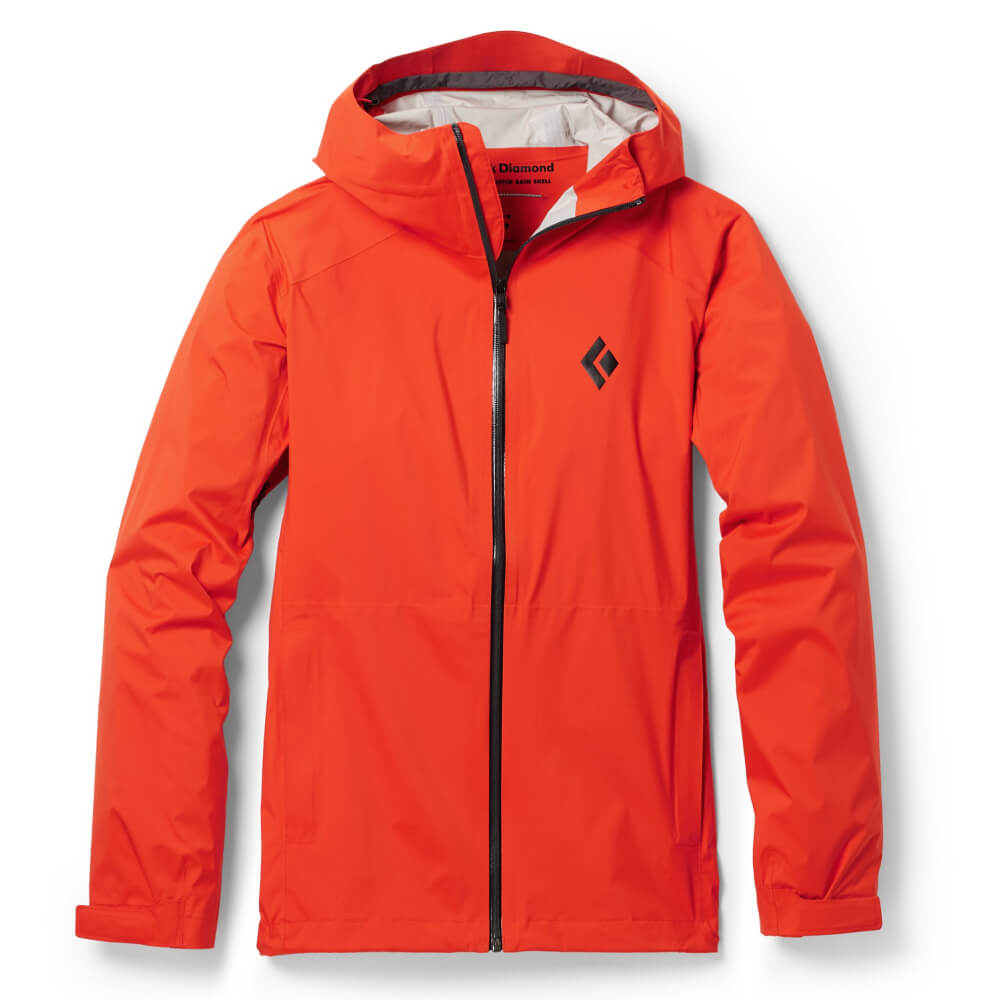
A membrane hard shell rain jacket is a must-have for Kilimanjaro, protecting you from unexpected rain, wind, and harsh mountain conditions. Unlike regular rain jackets, a high-quality hard shell is waterproof, windproof, and breathable, ensuring that you stay dry while allowing sweat and moisture to escape. This is especially crucial during rainy days and in the cold, windy conditions near the summit.
Purpose: Provides protection against rain, snow, and strong winds while remaining breathable to prevent overheating during strenuous hikes. Essential for unpredictable mountain weather.
Features to Look For: Fully waterproof with taped seams to prevent water leakage. Breathable material to wick away moisture and prevent sweating inside the jacket. Adjustable hood that fits over a hat or helmet for extra protection.
Recommended Number: 1 durable, high-quality waterproof hard shell jacket.
Trekking pants are an essential part of your Kilimanjaro packing list, providing comfort, flexibility, and protection throughout the climb. Unlike regular pants, trekking pants are designed to be lightweight, breathable, and quick-drying to handle changing weather conditions on the mountain. You’ll be wearing them for long hours, so they should allow free movement and wick moisture to keep you dry.
Purpose: Worn during daily hikes to provide comfort, mobility, and protection from the elements while trekking in varied terrain and temperatures.
Features to Look For: Quick-drying and moisture-wicking fabric to keep sweat and dampness away. Stretchable material for freedom of movement during steep climbs.
Recommended Number: 2 pairs of high-quality trekking pants.
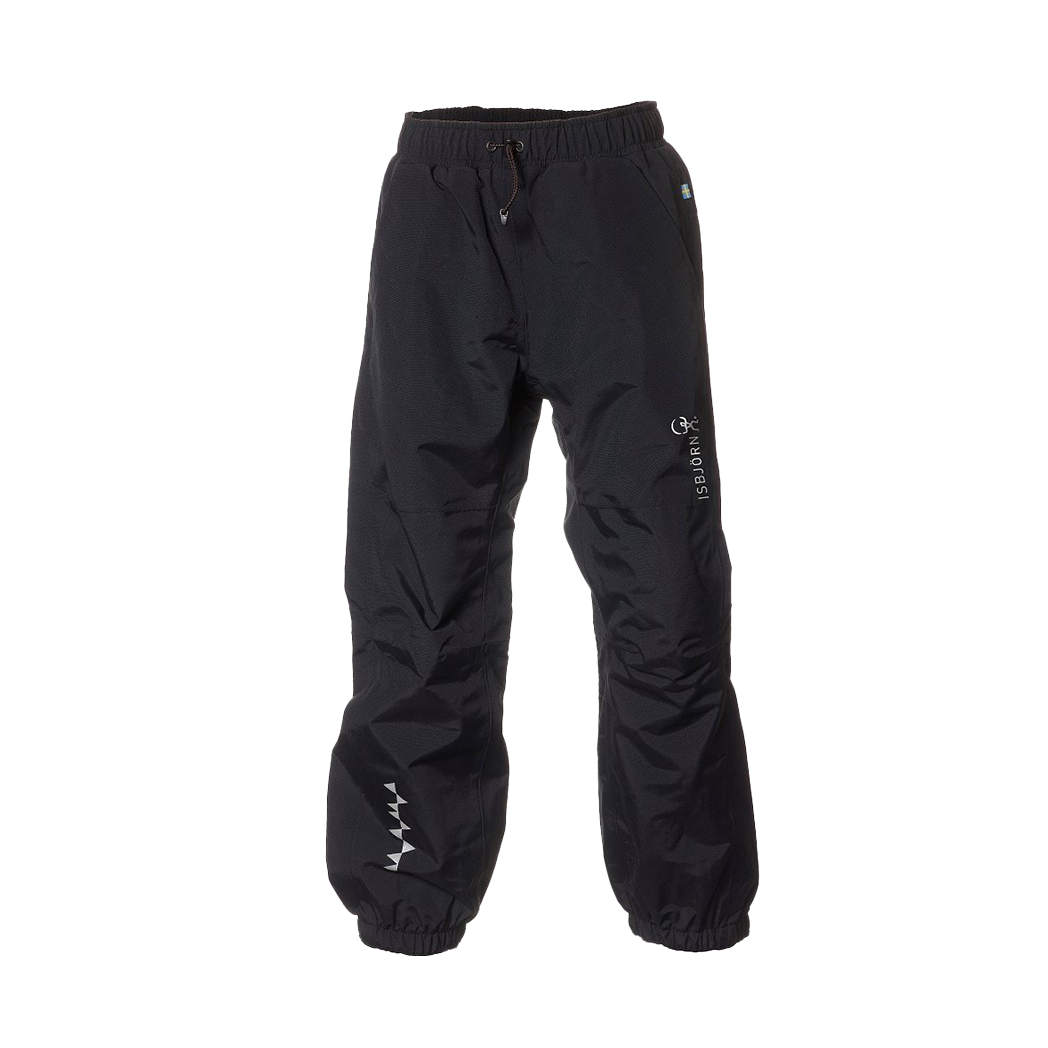
Rain pants are a crucial layer for protection against unexpected downpours and strong winds on Mount Kilimanjaro. Since weather conditions can change rapidly, having waterproof pants ensures that you stay dry and comfortable during wet and cold conditions. These pants are designed to be worn over trekking pants and should be easy to put on and remove when needed.
Purpose: Worn as an outer layer to protect against rain, wind, and moisture during the trek. Essential for staying dry and warm in wet conditions.
Features to Look For: Waterproof and breathable material to block rain while allowing moisture to escape. Full or partial side zippers for easy wear over boots and trekking pants. Elastic or adjustable waist for a comfortable fit over other layers.
Recommended Number: 1 pair of high-quality rain pants.
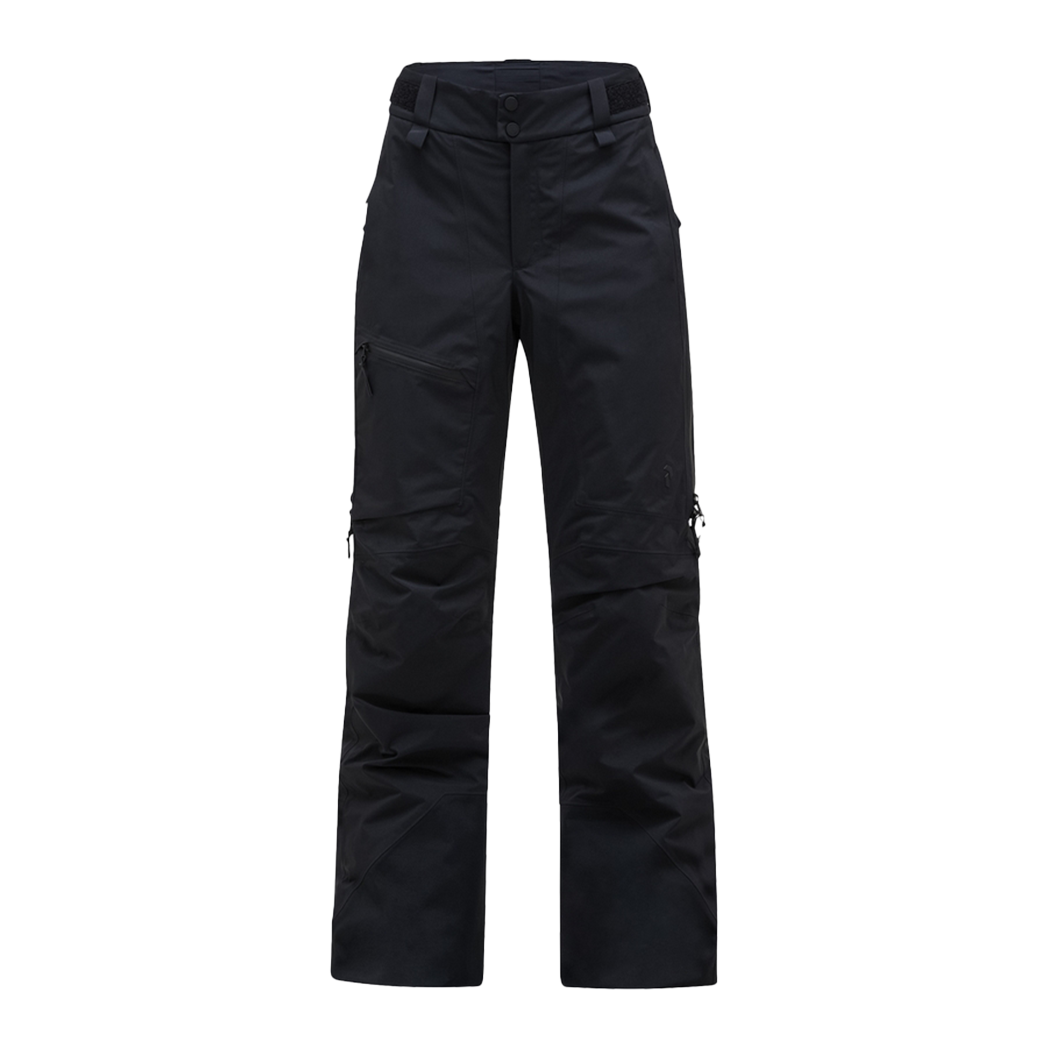
While ski pants are primarily designed for winter sports, they can be an excellent choice for extreme cold conditions on Mount Kilimanjaro, especially for summit night. These pants provide superior insulation, wind protection, and comfort in sub-zero temperatures. However, they should be lightweight and breathable enough to prevent overheating during the ascent.
Purpose: Provides extra insulation and wind resistance, making them ideal for cold, windy conditions at higher altitudes, particularly during summit night.
Features to Look For: Insulated but breathable design to keep you warm without overheating. Windproof and water-resistant fabric for protection against harsh weather. Adjustable waist and suspenders for a secure and comfortable fit. Zippered or vented areas to allow airflow and prevent excessive sweating.
Recommended Number: 1 pair for use during the coldest parts of the trek, particularly at higher elevations.
Lorem ipsum dolor sit amet, consectetur adipiscing elit. Ut elit tellus, luctus nec ullamcorper mattis, pulvinar dapibus leo.
Lorem ipsum dolor sit amet, consectetur adipiscing elit. Ut elit tellus, luctus nec ullamcorper mattis, pulvinar dapibus leo.
Lorem ipsum dolor sit amet, consectetur adipiscing elit. Ut elit tellus, luctus nec ullamcorper mattis, pulvinar dapibus leo.
Lorem ipsum dolor sit amet, consectetur adipiscing elit. Ut elit tellus, luctus nec ullamcorper mattis, pulvinar dapibus leo.
Lorem ipsum dolor sit amet, consectetur adipiscing elit. Ut elit tellus, luctus nec ullamcorper mattis, pulvinar dapibus leo.
Lorem ipsum dolor sit amet, consectetur adipiscing elit. Ut elit tellus, luctus nec ullamcorper mattis, pulvinar dapibus leo.
Lorem ipsum dolor sit amet, consectetur adipiscing elit. Ut elit tellus, luctus nec ullamcorper mattis, pulvinar dapibus leo.
Lorem ipsum dolor sit amet, consectetur adipiscing elit. Ut elit tellus, luctus nec ullamcorper mattis, pulvinar dapibus leo.
Lorem ipsum dolor sit amet, consectetur adipiscing elit. Ut elit tellus, luctus nec ullamcorper mattis, pulvinar dapibus leo.
Lorem ipsum dolor sit amet, consectetur adipiscing elit. Ut elit tellus, luctus nec ullamcorper mattis, pulvinar dapibus leo.
Lorem ipsum dolor sit amet, consectetur adipiscing elit. Ut elit tellus, luctus nec ullamcorper mattis, pulvinar dapibus leo.
Lorem ipsum dolor sit amet, consectetur adipiscing elit. Ut elit tellus, luctus nec ullamcorper mattis, pulvinar dapibus leo.
Lorem ipsum dolor sit amet, consectetur adipiscing elit. Ut elit tellus, luctus nec ullamcorper mattis, pulvinar dapibus leo.
Lorem ipsum dolor sit amet, consectetur adipiscing elit. Ut elit tellus, luctus nec ullamcorper mattis, pulvinar dapibus leo.
Lorem ipsum dolor sit amet, consectetur adipiscing elit. Ut elit tellus, luctus nec ullamcorper mattis, pulvinar dapibus leo.
Lorem ipsum dolor sit amet, consectetur adipiscing elit. Ut elit tellus, luctus nec ullamcorper mattis, pulvinar dapibus leo.
Lorem ipsum dolor sit amet, consectetur adipiscing elit. Ut elit tellus, luctus nec ullamcorper mattis, pulvinar dapibus leo.
Lorem ipsum dolor sit amet, consectetur adipiscing elit. Ut elit tellus, luctus nec ullamcorper mattis, pulvinar dapibus leo.
Lorem ipsum dolor sit amet, consectetur adipiscing elit. Ut elit tellus, luctus nec ullamcorper mattis, pulvinar dapibus leo.
Lorem ipsum dolor sit amet, consectetur adipiscing elit. Ut elit tellus, luctus nec ullamcorper mattis, pulvinar dapibus leo.
Lorem ipsum dolor sit amet, consectetur adipiscing elit. Ut elit tellus, luctus nec ullamcorper mattis, pulvinar dapibus leo.
Lorem ipsum dolor sit amet, consectetur adipiscing elit. Ut elit tellus, luctus nec ullamcorper mattis, pulvinar dapibus leo.
Lorem ipsum dolor sit amet, consectetur adipiscing elit. Ut elit tellus, luctus nec ullamcorper mattis, pulvinar dapibus leo.
Lorem ipsum dolor sit amet, consectetur adipiscing elit. Ut elit tellus, luctus nec ullamcorper mattis, pulvinar dapibus leo.
Need help or clarification on the Packing List to fit your need?
Packing for Mount Kilimanjaro is one of the most crucial steps in ensuring a comfortable and successful trek. Having the right gear can make a significant difference in your overall experience, keeping you warm, dry, and prepared for changing weather conditions. Since Kilimanjaro’s climate varies from hot and humid at the base to freezing cold at the summit, it’s essential to pack smartly. Below are some frequently asked questions to help you get ready for your adventure.
1. What type of backpack do I need for Kilimanjaro?
You will need two backpacks:
A duffel bag (80-100L) for porters to carry your main gear. It should be waterproof and durable.
A daypack (20-30L) to carry personal essentials like water, snacks, an extra layer, and sunscreen during daily hikes.
2. How many layers of clothing should I pack for the summit night?
Summit night is extremely cold, so layering is key. You should have:
A base layer (moisture-wicking thermal top and bottom).
A mid-layer (fleece jacket and insulated trekking pants).
An outer layer (down jacket and waterproof shell pants).
Additional accessories like a beanie, gloves, and a neck gaiter for extra warmth.
3. What kind of footwear is best for Kilimanjaro?
You will need three types of footwear:
Waterproof hiking boots with ankle support for trekking.
Camp shoes or sandals to rest your feet at camp.
Gaiters (optional) to prevent dirt and snow from entering your boots.
4. Do I need a sleeping bag, and what rating should it have?
Yes, a four-season sleeping bag is necessary. It should be rated for temperatures as low as -10°C (14°F) or lower, as nights on Kilimanjaro can be freezing. A sleeping bag liner can also add extra warmth.
5. What should I pack for a Kilimanjaro trek?
First aid kit with altitude sickness medication, blister treatment, and pain relievers.
High SPF sunscreen and lip balm to protect against strong UV rays.
Wet wipes and hand sanitizer for hygiene, as there are no showers.
Toilet paper and biodegradable bags for waste disposal.